
Introduction of E-waste

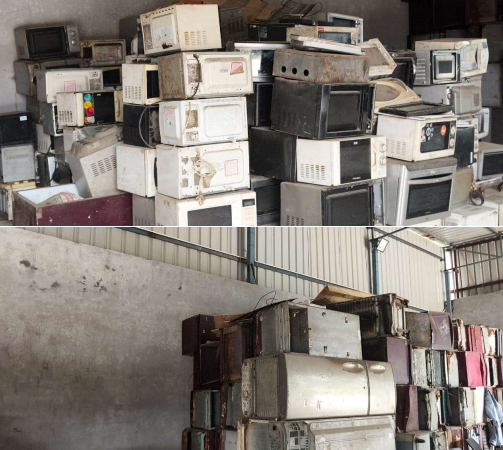
Waste Electrical and Electronic Equipment” (“WEEE”) is a waste consisting of any broken or unwanted electrical or electronic appliance. It is a point of concern considering that many components of such equipment are considered toxic and are not biodegradable. Informal processing of e-waste in developing countries can lead to adverse human health effects and environmental pollution
Importance of E-Waste |Management E-Waste Management is a cornerstone of environmental stewardship. By practicing responsible disposal, we contribute to the conservation of our planet’s precious resources. The gadgets we discard hide within them valuable materials waiting to be recovered and repurposed. Let’s join hands to unlock the potential of resource recovery and build a sustainable future
E-Waste Generation In the ever-evolving landscape of technology, a pressing concern emerges-electronic waste. As our reliance on gadgets grows, so does the volume of e-waste, creating a challenge that demands our attention and action. Join us on a journey to understand the staggering statistics and explore the types of electronic devices contributing to this global issue.

E-Waste Generation

Accelerating Growth

The global volume of electronic waste (e-waste) is experiencing unprecedented growth, with an estimated 53.6 million metric tons generated in 2021, a substantial increase from previous years.

Annual Increase

E-waste is piling up at an alarming rate, growing at an annual rate of 21%, making it one of the fastest growing waste streams globally.

Projection for the Future

Projections suggest that by 2030, ewaste generation could surge to 74 million metric tons if current consumption patterns and disposal practices persist.
Challenges in E-Waste Management Lack of awarenesS

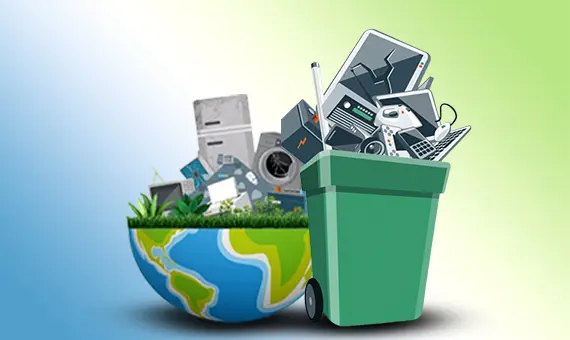
In the fast-paced world of technological advancements, electronic waste (e-waste) has become a critical environmental concern. Among the myriad challenges in managing e-waste, the lack of awareness stands out as a formidable obstacle. This insufficiency in understanding the consequences of improper e-waste disposal and the potential for sustainable management hampers global efforts toward a cleaner, safer environment.

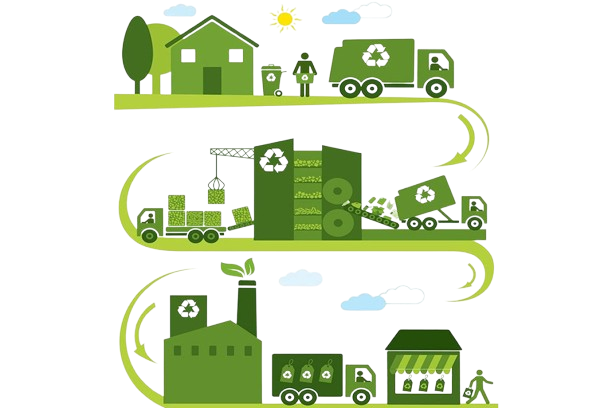
E-Waste Recycling Process

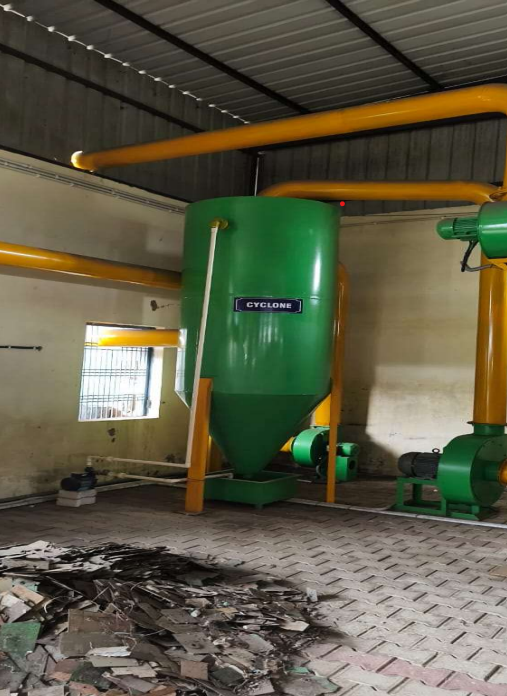
The e-waste recycling process is a comprehensive and intricate series of steps aimed at minimizing environmental impact, conserving resources, and promoting a circular economy. By responsibly managing electronic waste, we not only recover valuable materials but also contribute to a more
sustainable and environmentally friendly approach to the lifecycle of electronic devices

E-Waste Generation

Embracing the Right to Repair for Electronics isn’t just about fixing gadgets; it’s a pledge to mend our relationship with the environment. By repairing instead of replacing, we reduce electronic waste, conserve resources, and stride toward a more sustainable future. Every repaired device is a small step towards a greener, circular economy.

Air Pollution

Respiratory diseases, cardiovascular issues, and damage to vegetation result from inhaling polluted air. Additionally, pollutants contribute to climate change, affecting global weather patterns.

Water Pollution

Contaminated water poses risks to aquatic life and can affect the quality of drinking water. Human consumption of polluted water can lead to various waterborne diseases, affecting both individuals and communities

Soil Pollution

Soil pollution affects plant growth and can lead to the bioaccumulation of toxins in the food chain. This, in turn, poses health risks for humans and wildlife consuming contaminated crops or organisms.